 Image 1 of 6
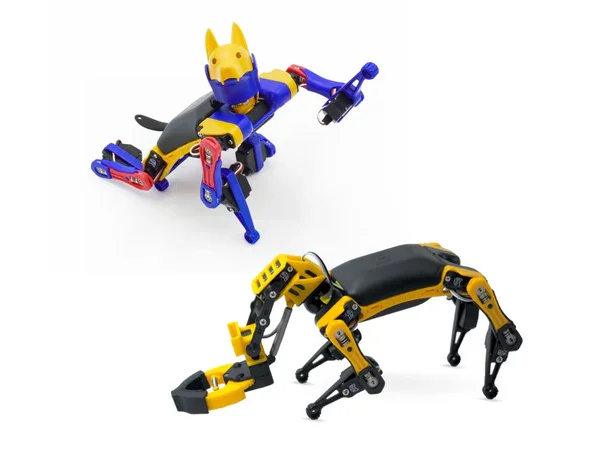 Image 2 of 6
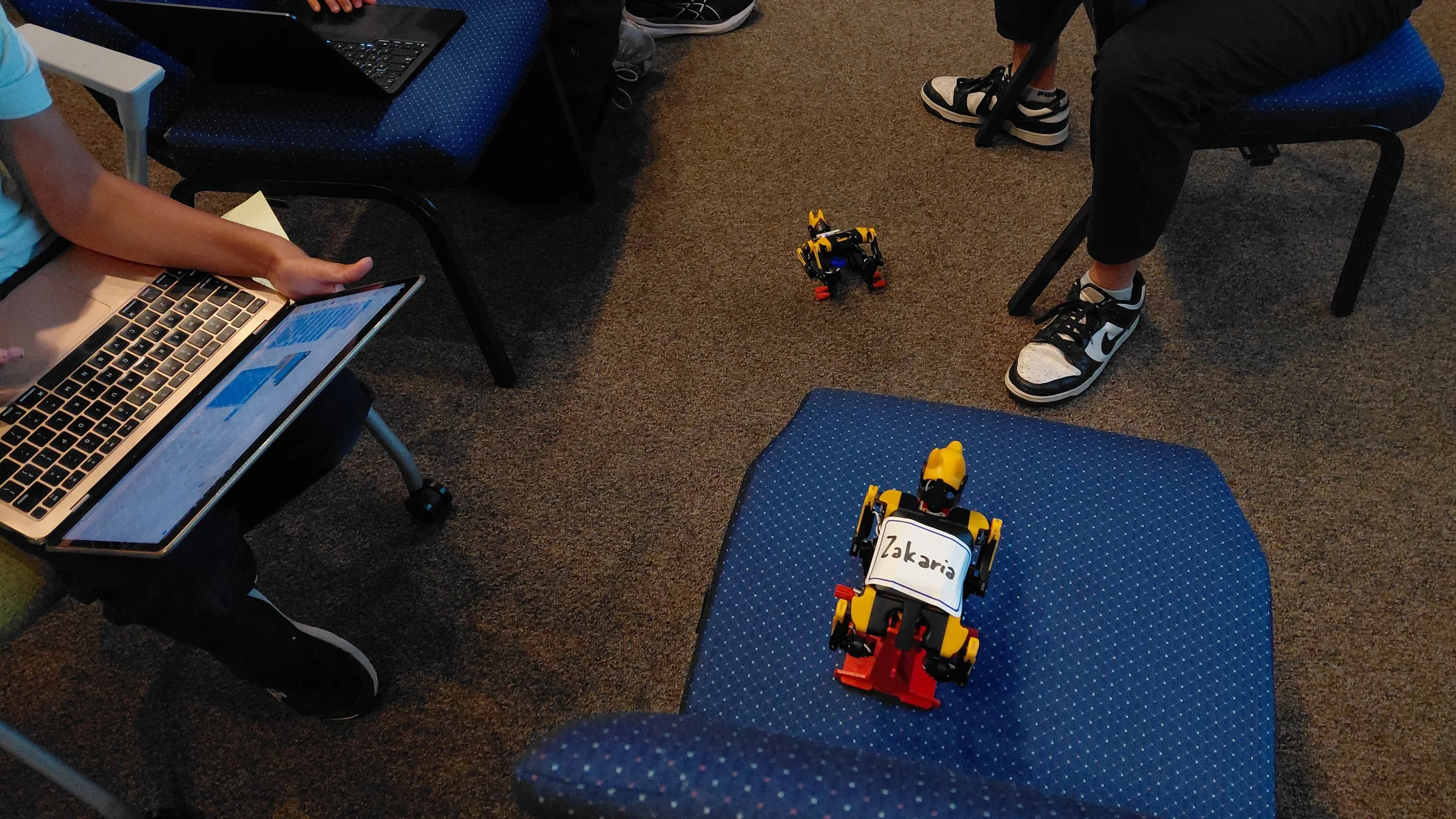 Image 3 of 6
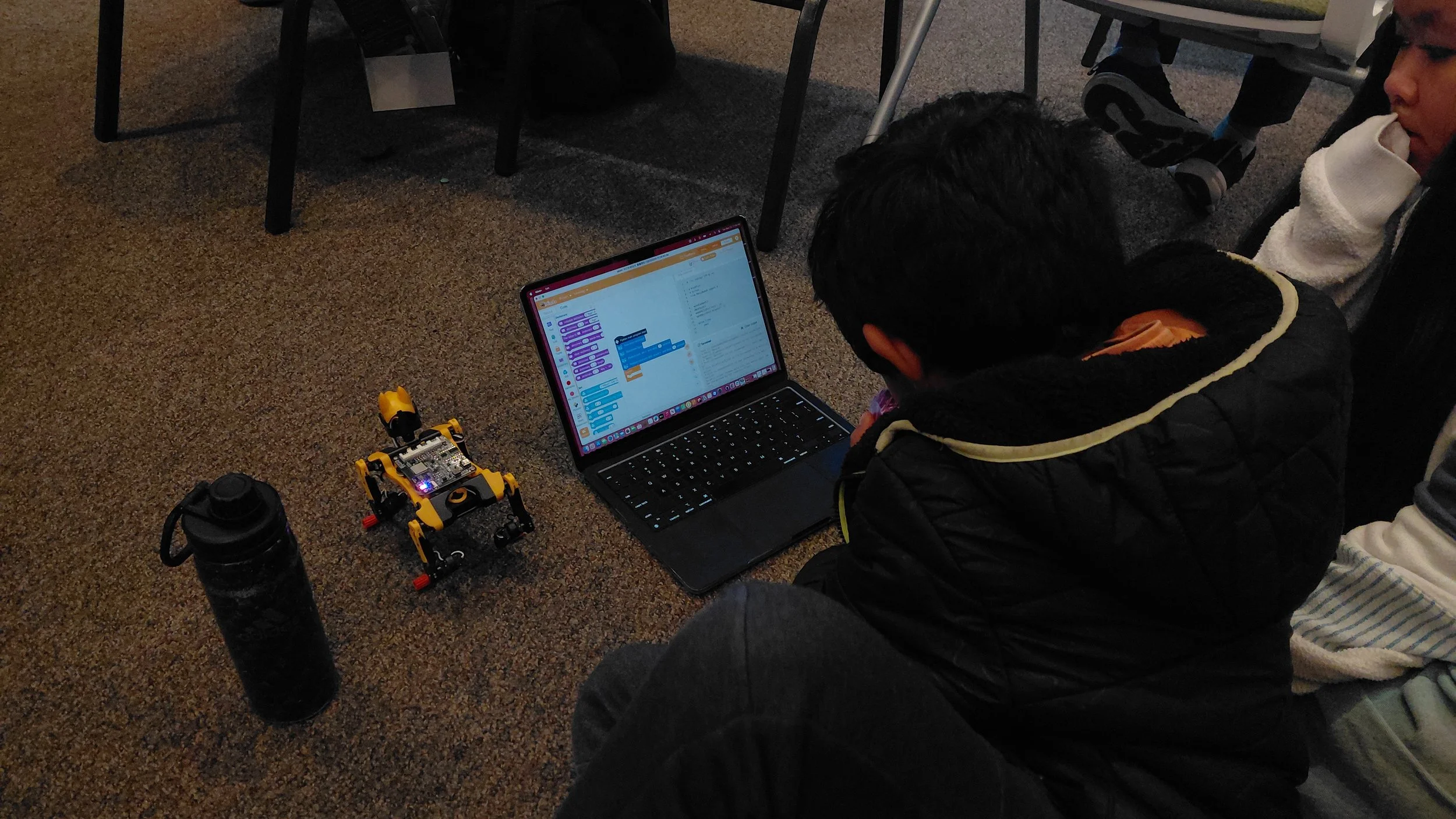 Image 4 of 6
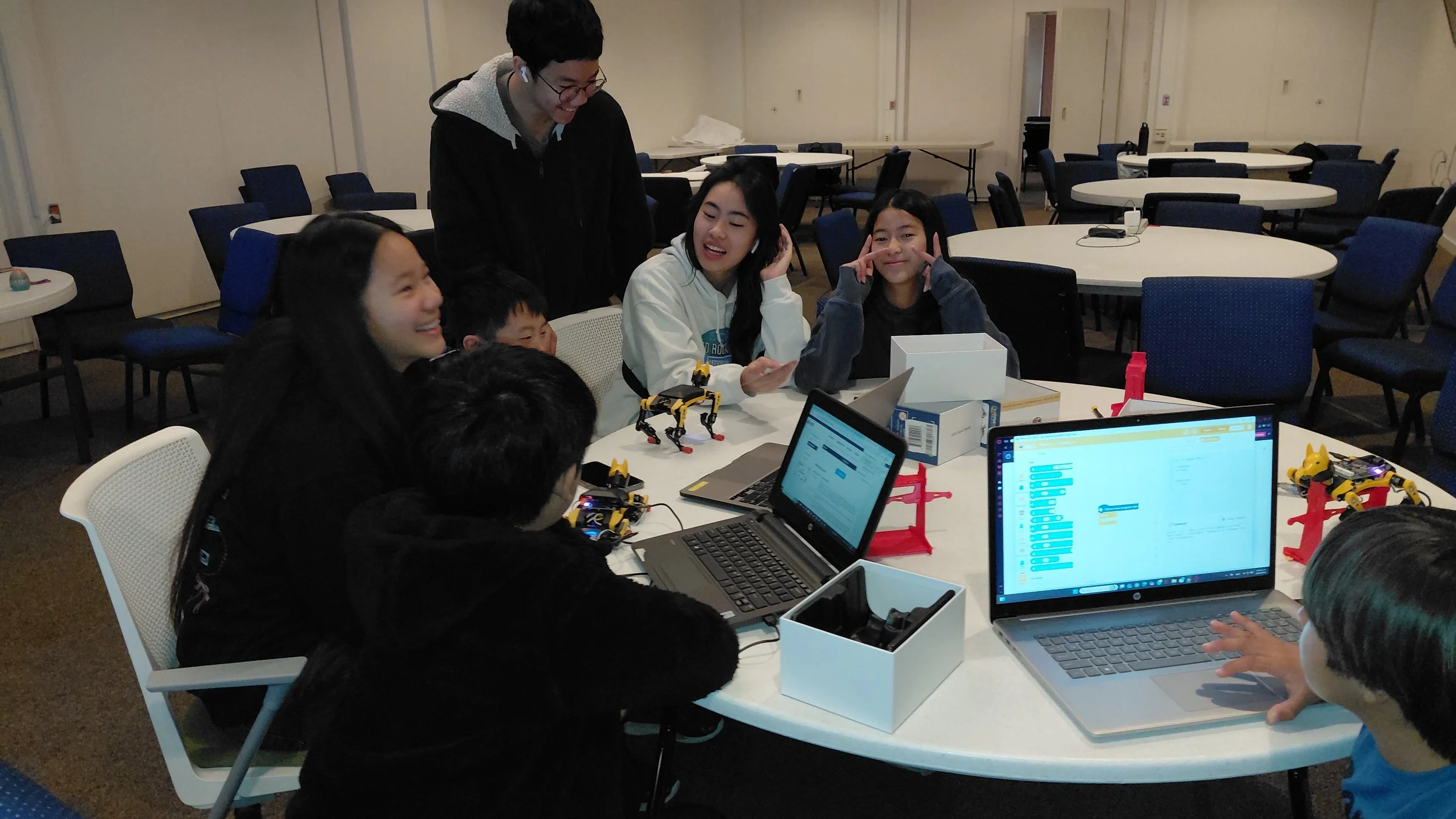 Image 5 of 6
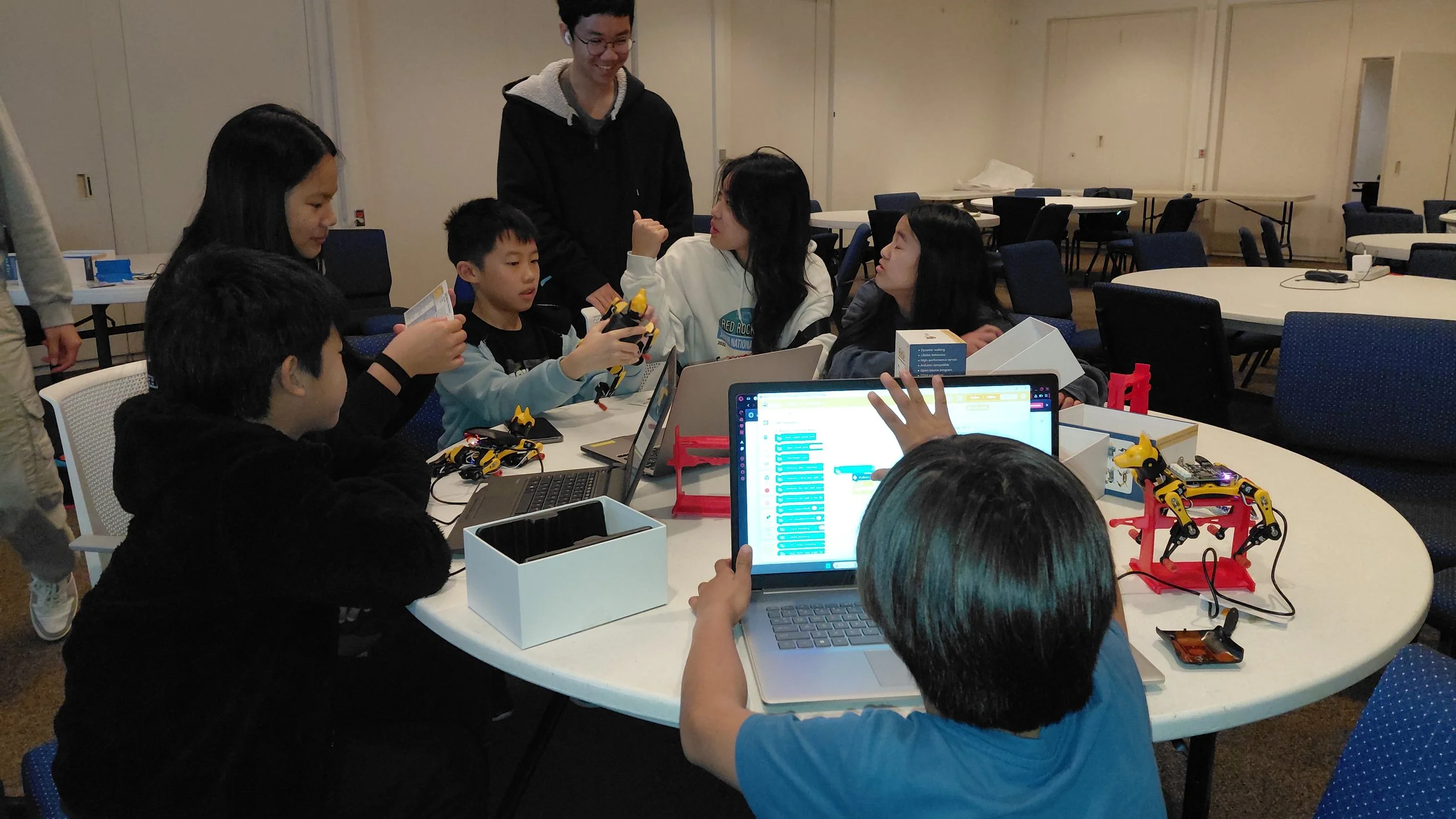 Image 6 of 6
What Students Will Master:
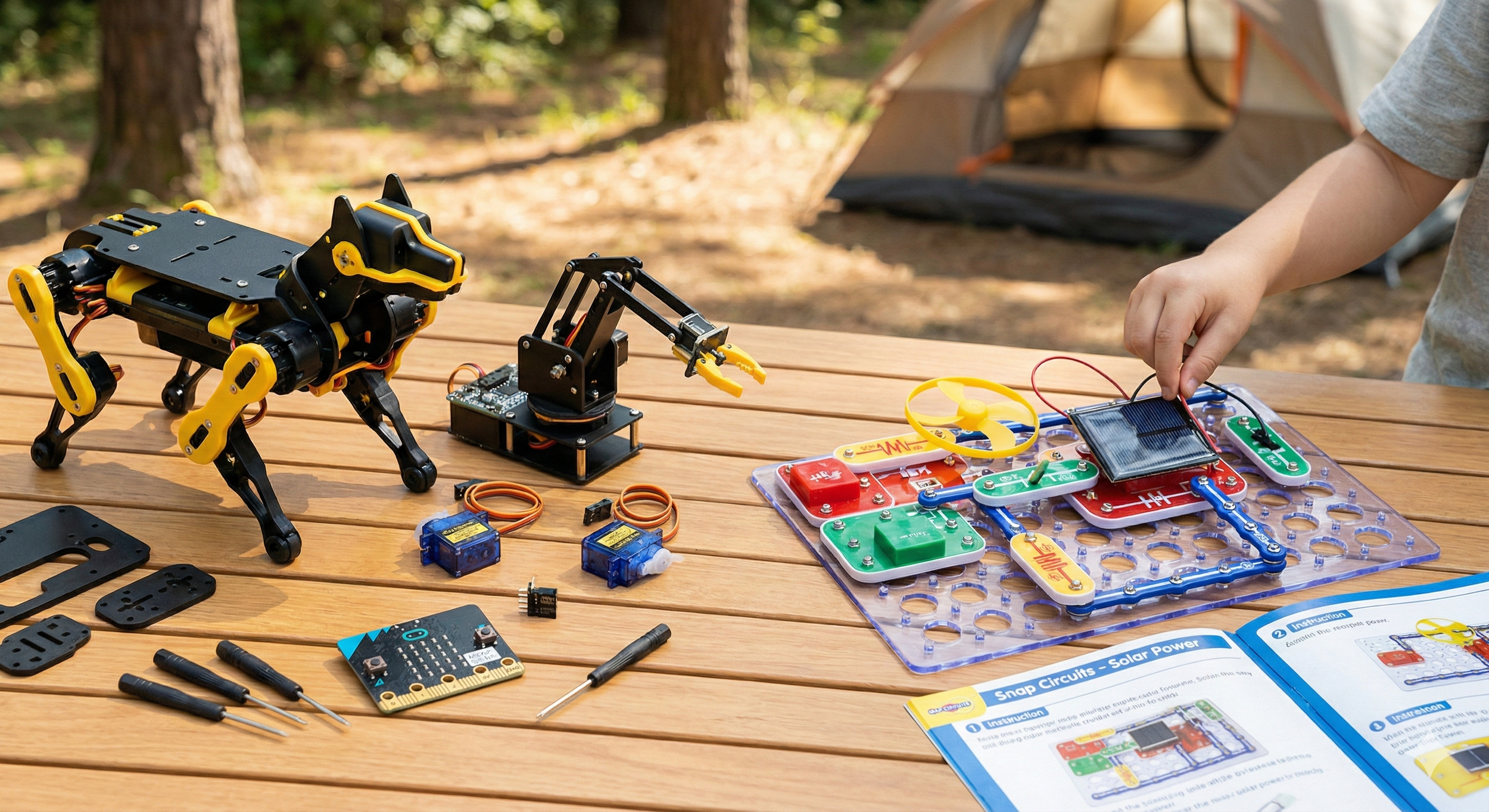
Logical Coding: Moving from simple blocks to complex "if-then" sequences to control movement and the robotic arm.
Bionic Interaction: Programming voice commands and sensor-based reactions to give their robot a "personality."
Systems Engineering: Using Micro:bit gesture controls to remotely pilot their Bittle X through physical challenges.
Real-World Testing: Taking the lab outdoors to solve terrain-based puzzles and "Search and Rescue" missions.
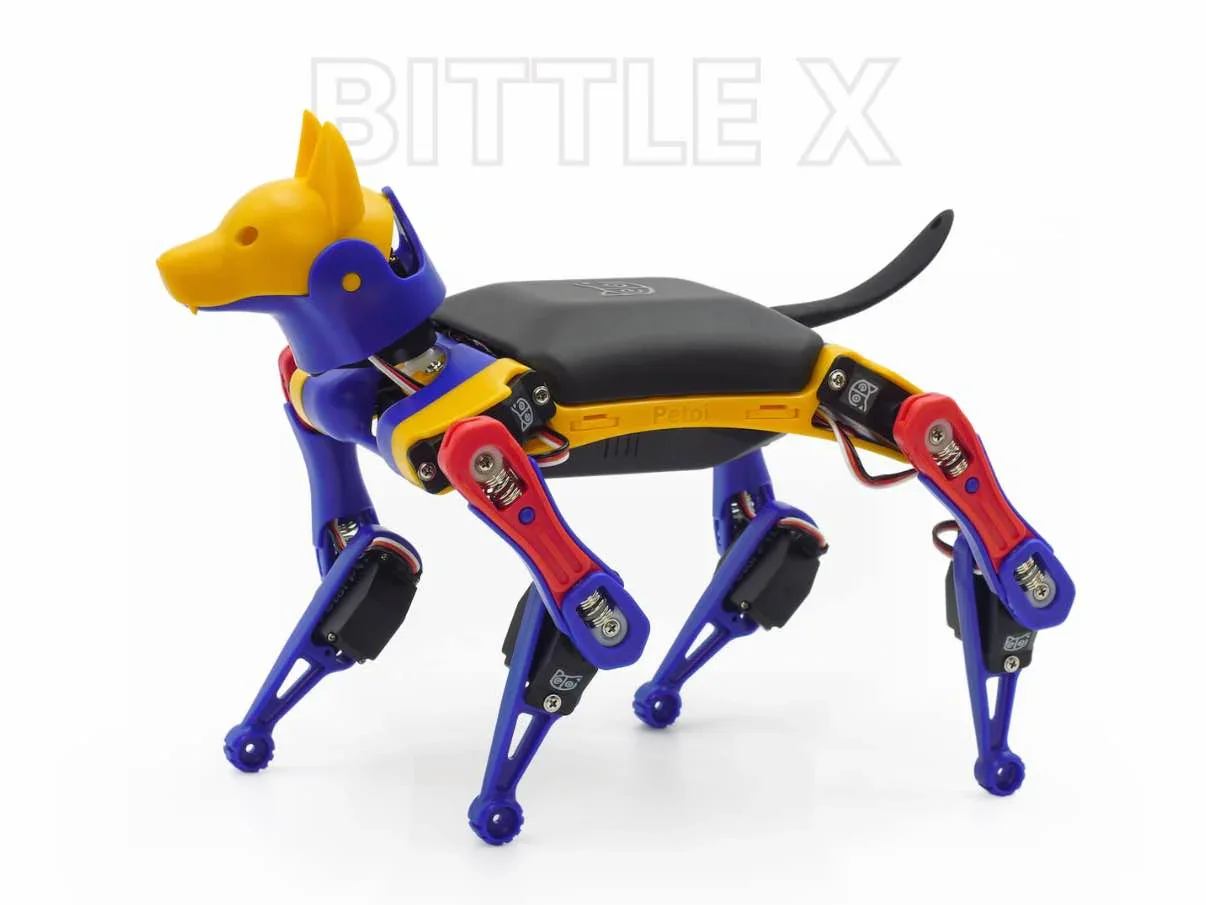
Day 1: Meet Your Buddy Focus: Calibration & Personality. Students learn how servos work and code a unique "personality" for their dog—choosing if their Bittle X is playful, shy, or energetic through custom bionic movements.
Day 2: The Voice Commander Focus: Speech Recognition & Logic. Students program "Secret Commands." Using the onboard AI, they’ll teach Bittle to perform complex tricks or "guard" a station only when it hears their specific voice triggers.
Day 3: The Helping Hand Focus: Robotic Arm Manipulation. The focus shifts to the articulated arm. Students code the precision needed to interact with the physical world—picking up, carrying, and delivering objects in a "Snack Delivery" challenge.
Day 4: Magic Motion Control Focus: Micro:bit Gesture Coding. By turning the Micro:bit into a "magic wand," students use tilt-sensors to steer their Bittle X. Lean the Micro:bit forward to walk; shake it to make the robot arm wave!
Day 5: Search & Rescue Mission Focus: Sensors & Outdoor Problem-Solving. The final test! Students use ultrasonic "eyes" to help Bittle navigate an outdoor obstacle course autonomously to find and retrieve a "lost" item in the grass.