Image 1 of 9
 Image 2 of 9
 Image 3 of 9
 Image 4 of 9
 Image 5 of 9
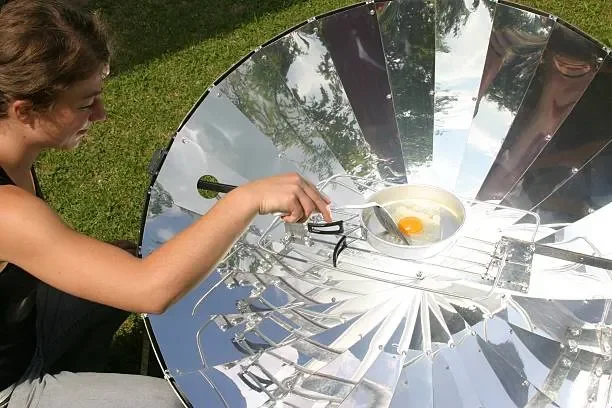 Image 6 of 9
 Image 7 of 9
 Image 8 of 9
 Image 9 of 9
Free Lunch
〰️
Free Snacks
〰️
Free Lunch 〰️ Free Snacks 〰️
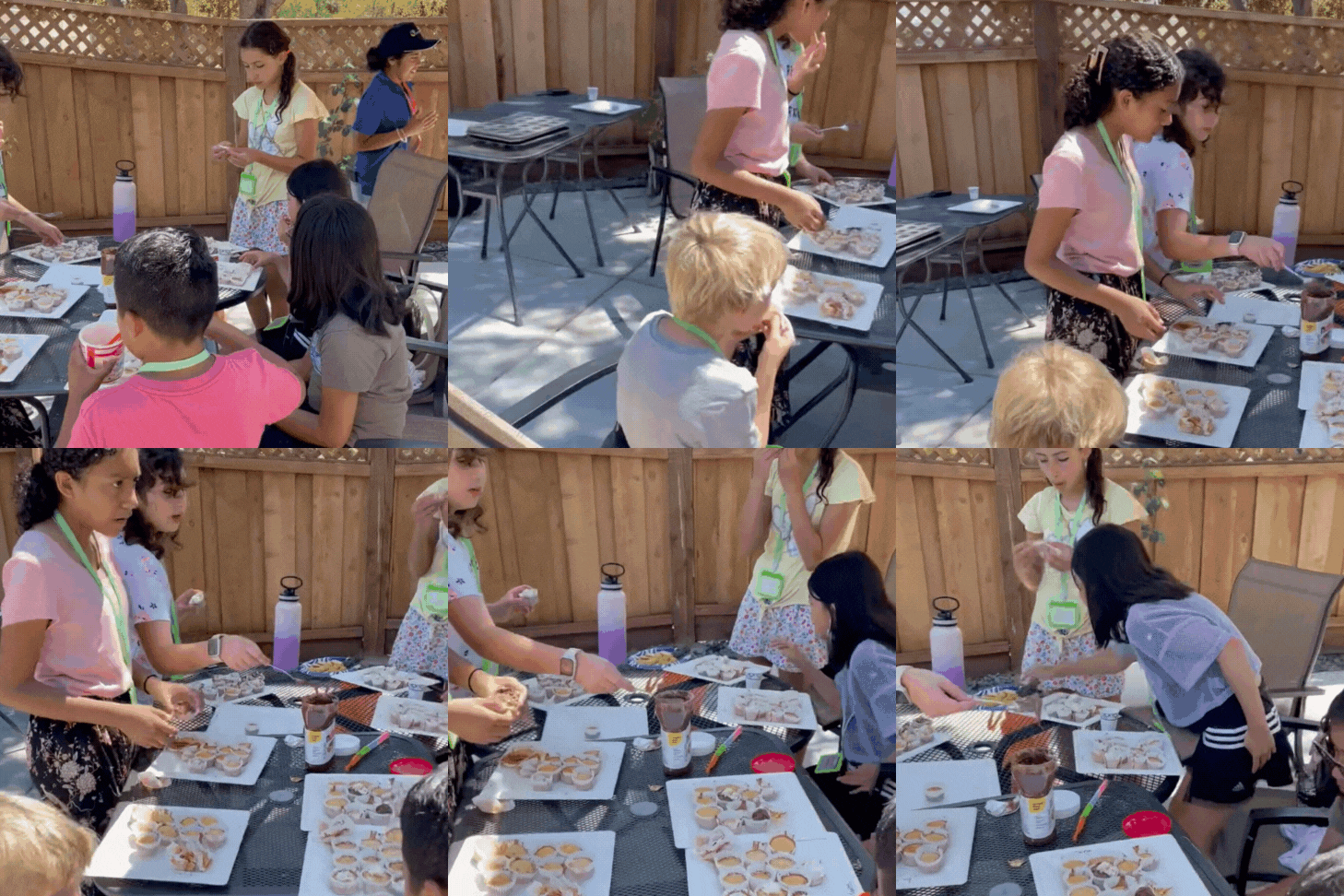
🌞 Why Kids Will Love Solar Cooking?
🧪 Cooking outside feels like a real science mission
✨ Watching food cook using only the sun feels like magic
🛠️ Hands-on building, testing, and adjusting solar ovens
🤝 Encourages curiosity, patience, and teamwork
🏆 Kids feel proud cooking with real science!
✨ What Makes Solar Cooking Special?
🌞 Powered by sunlight
🚫 No flames🔥, cords🔌, or electricity ⚡
⏳Slower cooking = 🔍 more observation and experimentation
🌱 Eco-friendly and ♻️ sustainable
🧪Feels like a science experiment + 🍳 cooking adventure!
-
On Day 1, students will explore traditional Chinese cuisine by learning how to make Wontons and Dumplings, two classic foods that are “wrapped and eaten” and enjoyed across many Chinese families and cultures.
The day focuses on students practice wrapping techniques and work carefully with ingredients. Through this activity, campers build confidence in the kitchen while learning about food preparation traditions from another culture.
Students will first learn the difference between wontons and dumplings:
Wontons use a thin wrapper and a simple meat filling, allowing them to cook quickly.
Dumplings use a thicker wrapper and a mixed filling, introducing more texture and variety.
Under instructor guidance, students will prepare fillings and practice wrapping techniques step by step. To keep the experience fun and manageable, each child will wrap a small number of wontons and dumplings, emphasizing quality, patience, and proper technique rather than speed.
Once wrapped, the wontons and dumplings will be cooked using solar cookers. A large pot of water will be heated by solar energy until nearly boiling, allowing students to see how the sun can be used for real-world cooking. Campers will learn how to observe visual cue, such as texture and color changes. To understand when food is fully cooked.
-
On Day 2, students will explore comforting and traditional Chinese foods while continuing to cook using solar energy. The focus of the day is learning that great food takes time, flavor develops slowly, and patience is an essential part of cooking.
Students will prepare several classic dishes, beginning with tea eggs, a popular Chinese snack and a highly reliable solar-cooking recipe. Campers will boil eggs, gently crack the shells, and return them to a pot with black tea, soy sauce, and warm spices. The eggs will then be placed back into the solar cooker to slowly absorb flavor over several hours, helping students understand how Chinese cooking values deep flavor and allowing food to “soak in” rather than rushing the process.
Students will also prepare Laba porridge, a traditional Chinese rice porridge made with grains and beans. Rice, millet, red beans, dates, and peanuts will be combined with water and slow-cooked in the solar cooker. Through this dish, campers observe how different ingredients soften at different speeds and how long, gentle cooking creates comforting foods enjoyed across generations.
To balance the slow-cooked dishes, students will make Chinese-style cold noodles, a no-heat recipe that emphasizes mixing techniques and flavor balance. Using pre-cooked noodles, fresh vegetables, and a sesame-based sauce, campers will practice combining ingredients and adjusting texture and taste, with allergy awareness emphasized throughout the activity.
To wrap up the day, students will enjoy warm herbal teas lightly sweetened with honey, creating a calm and satisfying finish. By the end of the day, campers will have practiced patience, teamwork, and thoughtful cooking while deepening their understanding of Chinese food culture and solar-powered cooking.
-
On Day 3, students will explore American-style meals through a “Build Your Own Meal” experience that connects food choices with nutrition, energy, and everyday eating habits. The focus of the day is understanding basic food groups and how different ingredients support the body.
Students will begin by learning to identify foods that contain carbohydrates, protein, and fats. Using real ingredients laid out in front of them, campers will sort and classify foods, helping them visually understand what makes up a balanced meal and how different foods contribute to health and fitness.
Students will prepare scrambled eggs using solar cooking. Eggs will be mixed with a small amount of milk and seasoning, placed into heat-safe containers, and cooked in the solar cooker. This activity reinforces basic cooking skills while demonstrating how solar energy can be used for everyday meals.
Next, students will assemble hamburgers and sandwiches using pre-cooked ingredients. Bread may be lightly warmed or toasted using solar heat, while cooked eggs or sausages, fresh vegetables, and cheese are added cold. Campers are encouraged to make their own choices, emphasizing that building their own meal also means taking responsibility for balance and portioning.
To round out the meal, students will prepare fresh fruit-based dishes, including smoothies made with bananas or strawberries using a blender, yogurt parfaits layered with fruit and grains, and simple drinks such as lemonade and orange juice. These activities highlight freshness, mixing techniques, and healthy alternatives to sugary drinks.
By the end of the day, students will have practiced making thoughtful food choices, built confidence in assembling their own meals, and gained a clearer understanding of nutrition, independence, and teamwork—all while continuing hands-on learning with real ingredients.
-
On Day 4, students will explore Italian cuisine, focusing on simple ingredients, fresh flavors, and balanced cooking. The day introduces the idea that Italian food often relies on quality ingredients and gentle seasoning rather than heavy sauces or strong spices.
Students will begin with Caprese skewers, a fresh Italian appetizer made with cherry tomatoes, mozzarella, and basil. Campers will assemble the skewers by hand, practicing basic food prep skills while learning how Italian cuisine highlights natural flavors and color balance.
The core dish of the day is solar-cooked Italian pasta. Students will combine pasta and water in a pot and place it into the solar cooker, allowing it to cook slowly over 1.5–2 hours. Once the pasta is tender, tomato sauce will be added and gently warmed using solar heat. This activity reinforces patience and shows how solar energy can be used to prepare a hearty, familiar meal.
Students will also prepare Italian-style chicken skewers (spiedini di pollo). Chicken pieces will be paired with colorful vegetables such as bell peppers and onions, then lightly marinated with olive oil, lemon juice, salt, and herbs like rosemary or thyme. The focus is on fresh, mild flavors without spicy or heavy sauces, helping students understand the simplicity of Italian seasoning.
To finish the day, students will enjoy Italian sodas made with sparkling water and fruit juice, creating a refreshing and fun drink to complement the meal.
By the end of the day, students will have learned how Italian cooking emphasizes simplicity, fresh ingredients, and thoughtful preparation, while continuing to build teamwork, independence, and hands-on cooking skills using solar energy.
-
On Day 5, students will explore Mexican cuisine, focusing on bold flavors, hands-on preparation, and assembling meals with fresh ingredients. The day emphasizes independence, teamwork, and understanding how simple components come together to create satisfying dishes.
Students will begin by preparing horchata, a traditional Mexican drink made with milk, cinnamon, vanilla, and a small amount of sugar. Campers will mix the ingredients together and learn how spices and flavorings can transform a simple beverage into something comforting and refreshing.
Next, students will make guacamole, a highly hands-on activity where campers take the lead. Using ripe avocados, lime juice, and salt, students will mash, mix, and taste as they go. This activity builds confidence and encourages students to experience food through texture, smell, and flavor, while enjoying their guacamole with simple dipping options.
The main dishes of the day are tacos and burritos. Students will heat seasoned ground beef or chicken using solar cookers, allowing the meat to warm slowly over 1.5–2 hours. Along the way, campers will learn how to recognize when food is fully cooked by observing color changes and moisture, reinforcing food safety awareness.
Once the fillings are ready, students will assemble their own tacos using warmed corn tortillas, fresh lettuce, diced tomatoes, and cheese. Campers will then learn how burritos differ from tacos by wrapping rice, beans, meat, and vegetables into a large flour tortilla, practicing careful folding and rolling techniques.
By the end of the day, students will have built their own meals from start to finish while learning about Mexican food traditions, solar-powered cooking, and the importance of balance, responsibility, and creativity in the kitchen.